Canada is trying to do two things at once that do not always move at the same speed: cut emissions fast and keep a cold, spread-out, resource-heavy economy running. That tension sits at the center of the energy transition Canada is actually facing – not the one described in slogans, but the one constrained by geography, infrastructure, prices, and politics.
The public version of this debate is often strangely neat. One side talks as if fossil fuels can be phased out on a clean timetable if governments just show courage. The other talks as if any transition is a fantasy cooked up by people who have never seen a power bill. Reality, annoyingly, is less satisfying. Canada is moving through an energy transition, but it is not a single national story. It is several different transitions happening at once, with different timelines, incentives, and risks.
Quick Answer: Canada’s energy transition is driven by a federal target to achieve net-zero greenhouse gas emissions by 2050, relying on a fully decarbonized electricity grid by 2035. The transition centers on massive electrification, phasing out coal, expanding wind, solar, and nuclear power, and investing over \(\$60\) billion in tax credits.
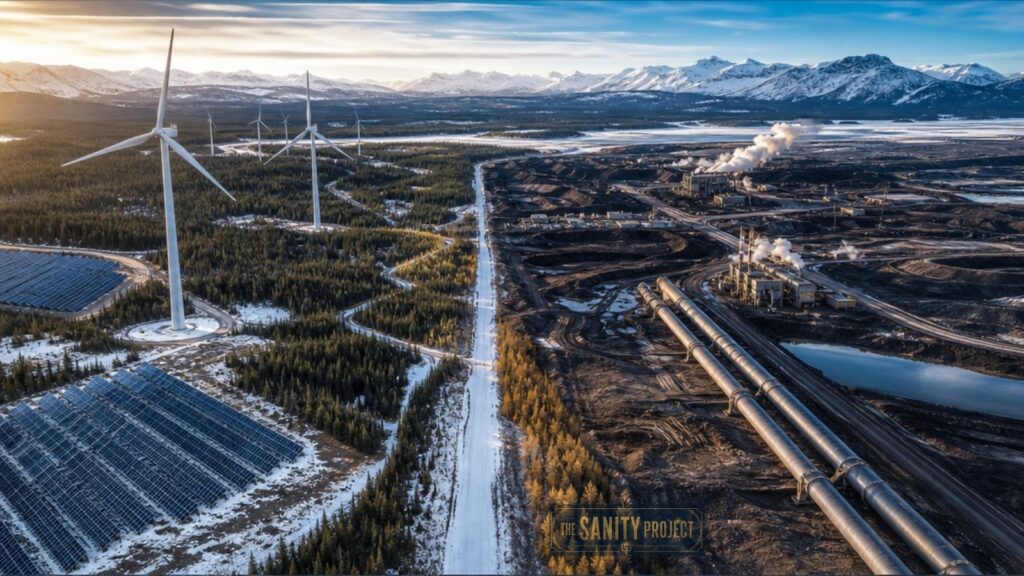
What energy transition Canada really means
At a basic level, the phrase refers to shifting away from higher-emission energy sources toward lower-emission ones. But in Canada, that shift is not just about replacing coal plants with wind turbines and calling it progress. It means changing how electricity is generated, how homes are heated, how goods are moved, how industry operates, and how a major export economy earns income.
That last part matters more than many public conversations admit. Canada is not simply a consumer of energy. It is a producer, exporter, and employer tied deeply to oil, gas, hydro, uranium, and minerals. So when people ask whether the transition is happening fast enough, the obvious follow-up is: fast enough for what, exactly? Emissions targets? Grid reliability? Industrial competitiveness? Household affordability? Those goals overlap, until they don’t.
Canada starts from an unusual position. Its electricity grid is already relatively low-carbon compared with many peers because of hydro, nuclear, and some renewables. That is the good news. The less convenient news is that the harder part now sits outside the power sector – transportation, buildings, heavy industry, and oil and gas production. Decarbonizing those sectors is slower, more expensive, and politically messier.
Why Canada looks better on paper than in practice
Canada’s electricity mix gives it a statistical head start. Provinces like Quebec, British Columbia, and Manitoba benefit from large hydro systems. Ontario has nuclear. Alberta, after years of coal dependence, has sharply cut coal-fired generation. If you only look at the grid, the story can sound reassuring.
But the grid is not the whole economy. Much of Canada still relies heavily on natural gas for heating, liquid fuels for transport, and fossil energy for industrial activity. In a country with long winters, long distances, and energy-intensive extraction industries, replacing those systems is not as simple as swapping appliances and posting a press release.
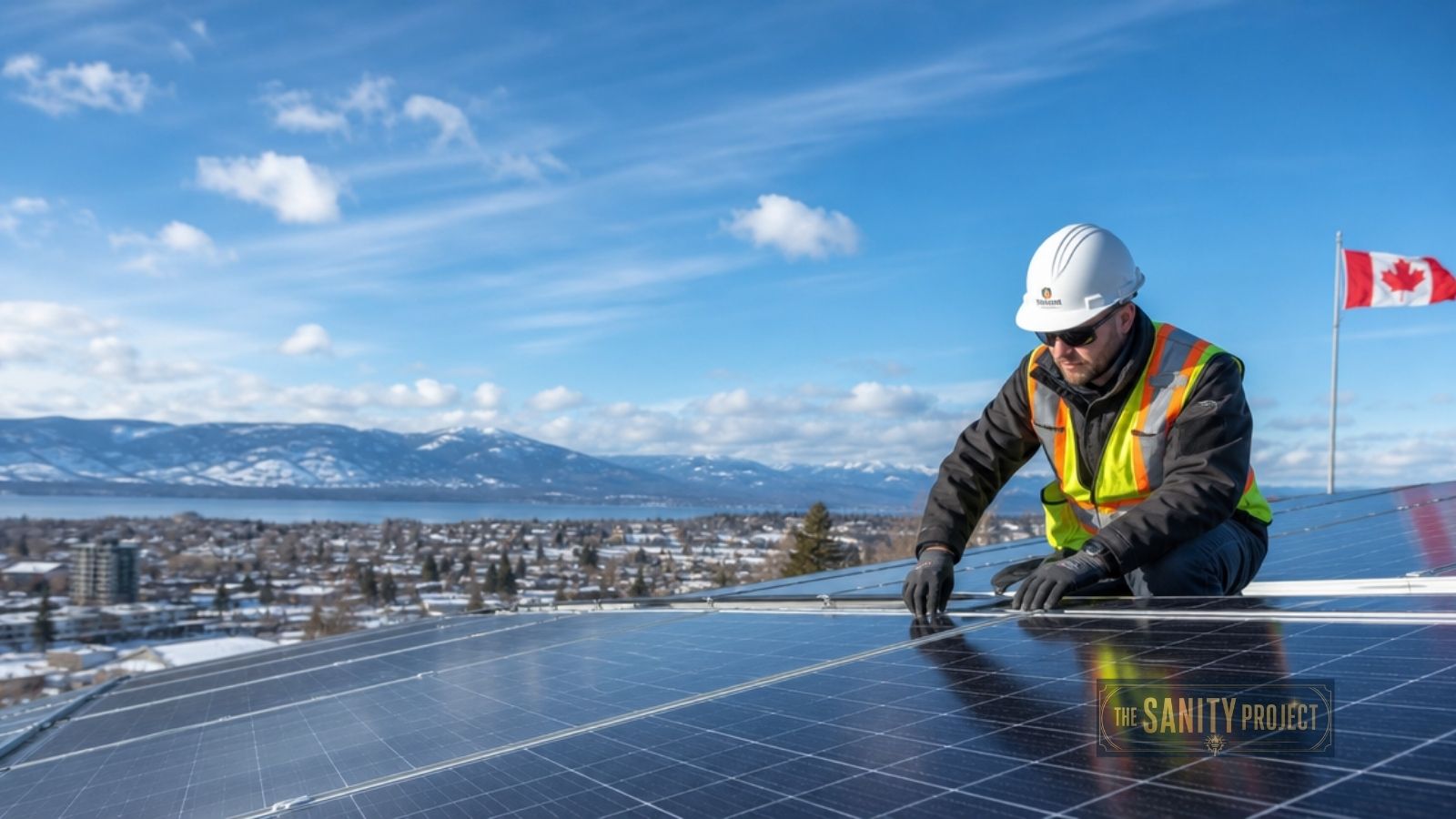
This is where rhetoric tends to outrun engineering. Electrification is a central path to lower emissions, but it requires far more power generation, much more transmission, and a grid built to handle sharp peaks in demand. Heat pumps can reduce emissions. Electric vehicles can too. New industrial processes may help. But if millions of households and businesses switch to electricity, someone has to build the extra capacity, the wires to move it, and the backup systems for when wind output drops or demand spikes in February.
That buildout is possible. It is also slow. Permitting takes years. Transmission lines face local opposition. Skilled labour is limited. Capital is expensive. And Canada’s federal structure means energy policy is split awkwardly between national targets and provincial control. This is a polite way of saying that everyone supports decisive action until their jurisdiction, budget, or voters are involved.
Subscribe To Our Newsletter!
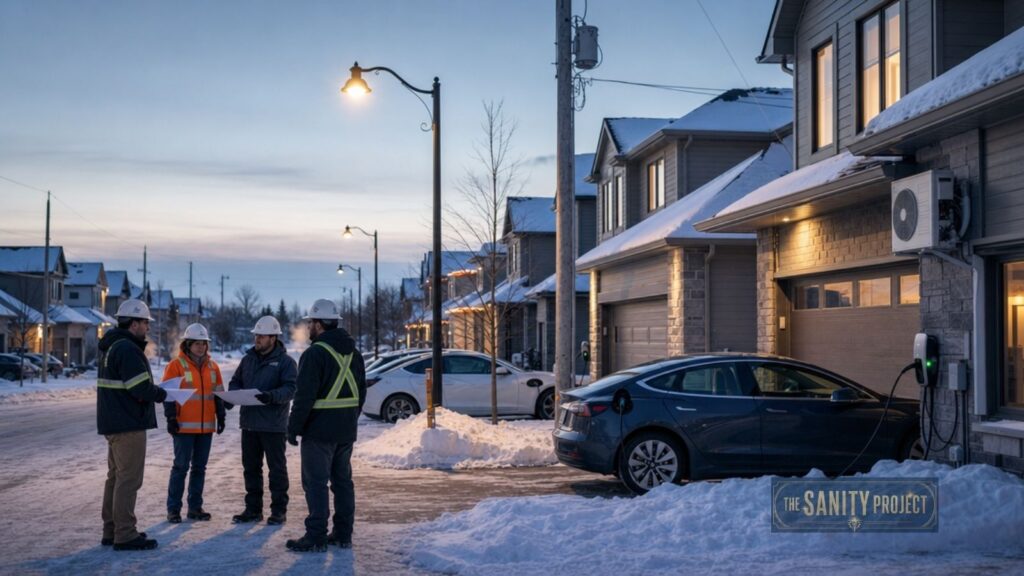
The three constraints shaping the transition
1. Reliability is not optional
Canada’s climate makes energy reliability a non-negotiable issue. In some places, power outages are not an inconvenience. They are a health and safety problem. Any credible transition plan has to keep that in view.
This does not mean low-carbon grids are impossible. It means they need firm capacity, storage, transmission, demand management, or some combination of all four. Wind and solar can add meaningful generation, and costs have fallen. But intermittent power is not the same as dispatchable power. That distinction tends to disappear in political messaging because it is less inspiring than a ribbon-cutting ceremony.
Hydro and nuclear are especially important in Canada for this reason. They offer low-carbon electricity with a steadier profile than intermittent renewables alone. The trade-off is obvious: they are expensive, slow to build, and often controversial. There is no magical option hiding offstage.
2. Affordability shapes public consent
Transitions do not fail only because the technology falls short. They also fail when voters decide the costs are landing too unevenly.
Canadians may support emissions reductions in the abstract, but that support becomes fragile when heating bills rise, vehicle costs remain high, or industrial jobs appear vulnerable. That does not mean the public is irrational. It means households operate within budgets, not climate models.
This is where policymakers often overestimate tolerance for disruption. If the transition is framed as a moral test while the cost burden falls hardest on lower- and middle-income households, backlash is predictable. And no, calling people short-sighted does not usually improve public buy-in.
A durable transition needs visible benefits: cleaner grids, stable bills, reliable service, decent jobs, and realistic timelines. If the policy mix delivers mostly mandates and uncertainty, resistance will grow even among people who broadly accept the climate case.
3. Canada’s economy is tied to energy production
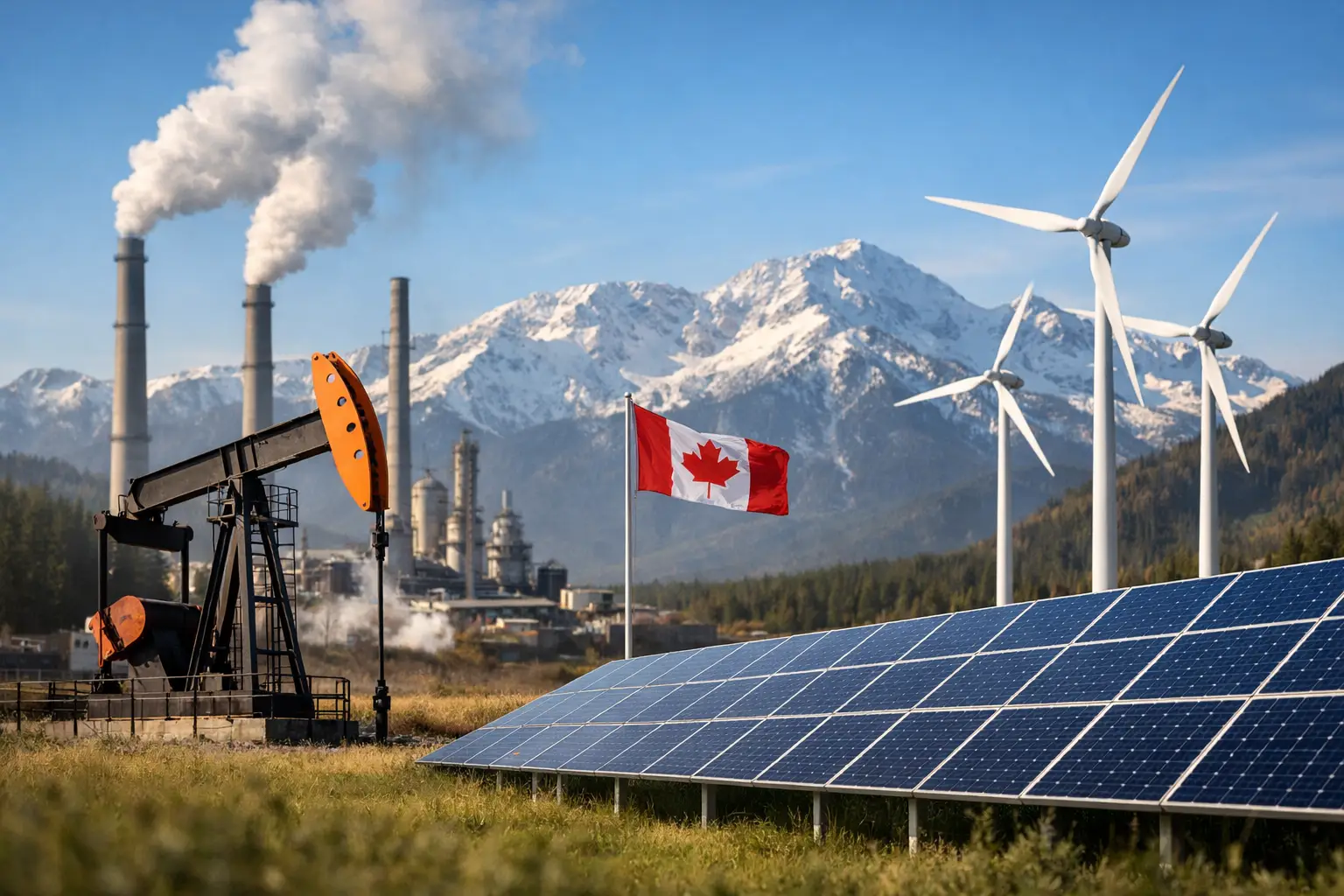
Canada’s oil and gas sector is not some small legacy industry waiting politely by the exit. It remains a major source of exports, investment, tax revenue, and employment. That creates an awkward but unavoidable reality: the country is trying to lower emissions while continuing to profit from hydrocarbons.
Many people treat this as hypocrisy. It is better understood as a structural contradiction. Global demand for oil and gas has not disappeared, and if Canada reduces output faster than demand falls, other producers may fill the gap. That is not an argument against transition. It is an argument for being honest about sequencing, incentives, and what domestic policy can actually control.
The serious question is not whether Canada should diversify and decarbonize. It should. The question is how to do that without hollowing out productive sectors before replacements are mature enough to carry similar economic weight.
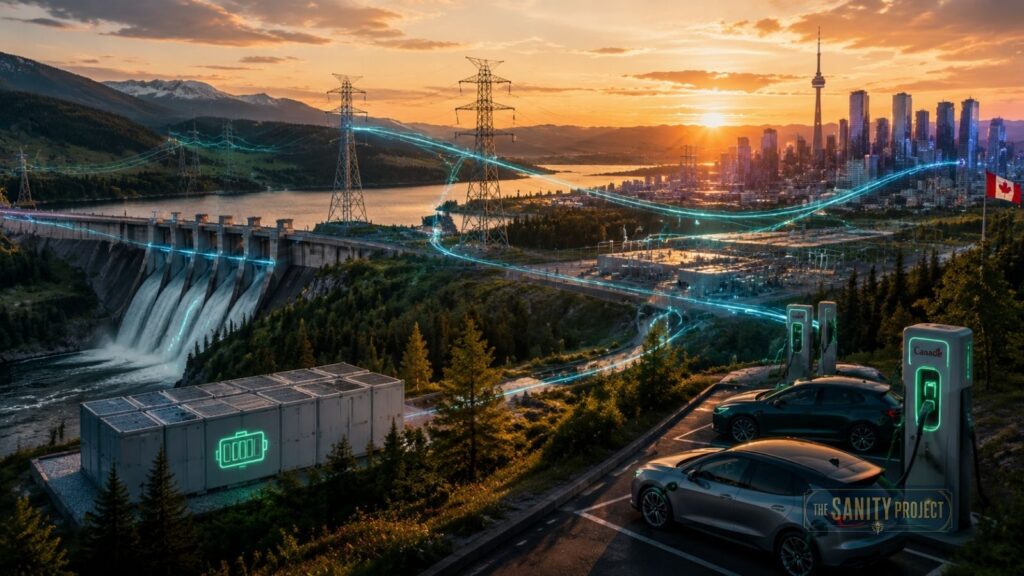
Where the transition is likely to succeed
The strongest near-term gains are likely to come from areas where economics and emissions goals already point in the same direction. Cleaner electricity is one. Methane reduction is another, because methane leaks can often be cut with available technology at a relatively manageable cost. Efficiency upgrades in buildings and industry also matter more than they do in public debate, largely because they are less exciting than promising a total system overhaul.
Critical minerals and nuclear may also become bigger parts of Canada’s story. If the global economy is electrifying, supply chains for batteries, transmission, and low-carbon infrastructure matter. Canada has advantages in minerals, technical expertise, and existing energy assets. But advantages are not destiny. They still require investment, permitting reform, and enough policy consistency to persuade capital that the rules will not change every election cycle.
What gets missed in the loudest narratives
The cleanest narrative says the transition is mainly being blocked by bad incentives and political cowardice. The opposite narrative says the whole thing is economically suicidal. Both are too tidy.
The more accurate view is that Canada’s transition is real, uneven, and constrained by trade-offs that no press conference can eliminate. Some technologies are ready now. Some are not. Some regions have clear pathways. Others face steeper costs. Some policies reduce emissions efficiently. Others mostly rearrange headlines.
That is not cause for cynicism. It is a reason to think clearly. A serious energy transition Canada can actually sustain will look less like a grand leap and more like disciplined, cumulative progress – more transmission, more clean generation, smarter regulation, better incentives, and fewer fantasies about painless transformation.
The useful question is not whether change is coming. It is whether Canada can build enough practical capacity, fast enough, to make the transition economically and politically durable. That is a much less glamorous question. It is also the one that matters.
Resources:
https://www.iea.org/countries/canada/energy-mix