A wind turbine produces no electricity when the air is still. This obvious fact is often treated as either a fatal flaw or something too inconvenient to mention. Neither response is serious. Wind power is not a magic replacement for every other energy source, nor is it a fragile environmental indulgence destined to fail the moment the weather changes.
It is a major and growing source of electricity, particularly in regions with strong wind resources and functioning transmission networks. The harder question is not whether wind works. It plainly does. The question is what must be true for it to work well at scale, without asking ratepayers, communities, or the grid to absorb costs that were conveniently left off the brochure.
1. Wind power is cheap, but electricity is not just a commodity
The most persuasive case for wind is straightforward: once a project is built, the fuel is free. There is no pipeline, coal train, or exposure to global fuel-price shocks. New utility-scale wind projects can produce electricity at highly competitive costs in favorable locations, especially compared with building new fossil-fuel generation.
That does not mean every wind project is cheap, or that lower generation costs automatically produce lower household bills. A turbine in a windy part of the Great Plains is not the same investment as a project in a low-wind area that requires expensive roads, land agreements, and new transmission lines. Geography remains stubbornly relevant, despite the modern preference for pretending every policy can be copied and pasted.
There is also a difference between the cost of generating power and the cost of delivering reliable electricity. A grid must meet demand at every hour, not merely generate an impressive annual total. As wind becomes a larger share of supply, its value depends increasingly on what is available when wind output falls: transmission from another region, hydroelectric power, batteries, demand response, nuclear plants, natural gas plants, or some combination.
The sensible takeaway is not that wind is secretly expensive. It is that a low-cost turbine does not eliminate the need for a well-designed power system.
2. Intermittency is real, but it is not the same as unreliability
Wind is variable. Output can change by season, day, and hour. Anyone claiming otherwise is selling a slogan rather than describing an electrical system.
But variability is not unique to wind. Power plants go offline unexpectedly. Heat waves strain transmission equipment. Drought reduces hydropower production. Extreme cold can disrupt natural-gas supply and freeze generation equipment. Reliability has always been a system-level challenge, not a trophy handed to whichever fuel source has the best talking point.
What makes wind different is that its output can be forecast, though not perfectly, and that its variability is spread across geography. When turbines are connected over a larger area, the wind is usually blowing somewhere. That is why transmission matters so much. A grid divided into small, poorly connected zones has fewer options when local supply falls short.
Storage helps, but it should not be portrayed as a one-word answer. Lithium-ion batteries are useful for shifting electricity across several hours, smoothing short-term fluctuations, and supporting the grid during peak demand. They are less suited, at current economics, to covering a week-long weather event with weak wind and little sun. Longer-duration storage, firm low-carbon generation, flexible demand, and better regional connections all have roles to play.
Subscribe To Our Newsletter!
The practical point is boring, which is usually a sign that it is worth hearing: reliable systems are built through portfolios. Betting everything on wind would be foolish. So would rejecting a cheap domestic resource because it does not behave like a fuel-fired power plant.
3. The grid is often the bottleneck, not the turbine
Much of North America’s best wind resource is far from its largest population centers. The central United States has exceptional onshore wind potential. So do parts of Canada’s Prairie provinces and Atlantic coast. Electricity demand, meanwhile, is concentrated around cities and industrial corridors that may be hundreds of miles away.
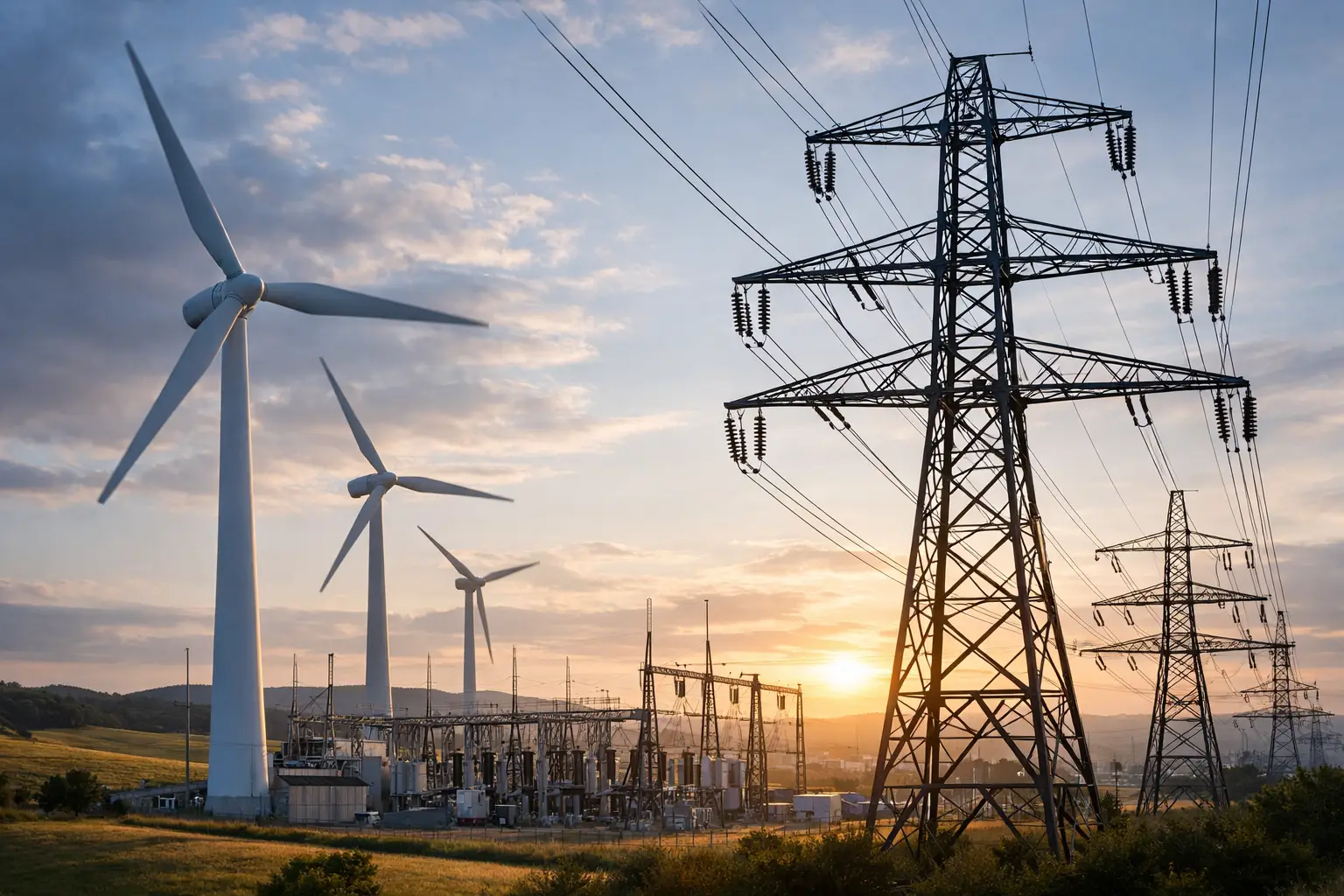
This creates a problem that public debate tends to skip over. Building wind farms can be relatively fast compared with building high-voltage transmission. New transmission projects must navigate multi-state or provincial approvals, landowner concerns, environmental reviews, utility regulation, cost allocation fights, and litigation. A turbine may be visible from the highway, but the transmission system that makes it useful is much easier to ignore until it fails to materialize.
The result is curtailment: wind farms sometimes produce more electricity than the local grid can carry or use, so output is reduced. That is not evidence that wind has no value. It is evidence that generation and transmission have been planned as separate problems for too long.
The same issue affects other resources. Solar projects, hydroelectric facilities, and new nuclear plants all need grid connections. Wind simply makes the mismatch harder to overlook because the strongest resource is often located where fewer people live.
4. Local opposition is not always irrational
National polling can show broad support for renewable energy while a specific wind project faces intense local resistance. This is frequently presented as hypocrisy. Sometimes it is. More often, it is a predictable conflict between broad public benefits and concentrated local costs.
Residents may worry about views, noise, shadow flicker, construction traffic, property values, wildlife impacts, or the industrialization of rural landscapes. Some concerns are overstated. Others are legitimate and require careful siting, credible monitoring, and enforceable rules. Dismissing everyone who objects as anti-science is a remarkably efficient way to ensure projects take longer.
Wildlife is the clearest example of where mature thinking matters. Wind turbines can harm birds and bats, particularly when projects are poorly located near migration routes or sensitive habitats. Those impacts should be measured honestly. They should also be compared with the wider ecological costs of fossil-fuel extraction, air pollution, climate change, and habitat disruption from all forms of infrastructure.
There is no energy source without a footprint. The relevant question is whether that footprint can be reduced, managed, and weighed against alternatives. Better siting, turbine curtailment during high-risk periods, radar-assisted detection, and post-construction monitoring can reduce harm. They do not make trade-offs disappear. They make them visible enough to manage.
5. Wind power is a useful hedge, not a political identity
Energy arguments in the United States and Canada often become proxies for bigger cultural fights. Support wind and someone assumes you want to shut down every conventional plant tomorrow. Question a project and someone assumes you are carrying water for oil and gas. This is a remarkably unhelpful way to run an electricity system.
Wind provides a domestic source of power with no fuel cost and very low operating emissions. It can reduce exposure to volatile natural-gas prices, diversify supply, create construction and maintenance work, and help meet climate targets. Those are substantial benefits.
It also requires land, materials, permitting discipline, grid investment, and backup arrangements. Its economics vary by location. Its output does not always line up with peak demand. And a poorly planned project can impose real costs on a community while delivering less value than promised.
These facts can coexist. In fact, they have to. Treating wind as either salvation or scam makes for lively social media posts and weak public policy.
What a serious wind strategy looks like
A serious approach starts with selecting sites where the wind resource is strong and environmental conflict is manageable. It pairs new generation with transmission plans that can actually be permitted and financed. It pays for reliability services rather than assuming they will appear out of civic spirit. It also gives affected communities a meaningful role early in the process, including clear benefit agreements and transparent performance data.
Policy should be judged by outcomes: affordable electricity, dependable service, lower emissions, reasonable land impacts, and a grid capable of handling more demand from electric vehicles, data centers, and industrial electrification. No single technology can deliver all of that alone.
Wind power deserves neither reverence nor ridicule. It deserves the more demanding standard we should apply to every major energy choice: show the full costs, show the system plan, and show who bears the trade-offs. That is where the useful argument begins.